
A long time ago, anime merchandise felt difficult to find outside Japan.
You had to search through small hobby stores, import products online, or rely on conventions to find anything interesting. Most mainstream stores barely carried anime products at all.
Now things feel completely different.
Anime stores, manga sections, figure displays, and Japanese merchandise have become much more common across Western countries. What once felt niche slowly became part of mainstream pop culture.
From my perspective, a big part of that shift came from the influence of Japanese anime store culture itself.
Akihabara Became the Symbol of Anime Culture
When people think about anime shopping culture, Akihabara is usually the first place that comes to mind.
The area became famous for its massive anime stores, gaming arcades, manga shops, figure displays, and collectible culture. Even people who never visited Japan recognize the image of crowded stores filled with merchandise from floor to ceiling.
What made Akihabara stand out was not just the products. It was the atmosphere.
The stores felt built entirely around fandom culture. Everything was specialized, detailed, and heavily connected to anime, gaming, manga, and collecting.
That experience left a strong impression on people worldwide.
The Internet Helped Spread the Culture
From what I have seen, the internet played a huge role in spreading this style of store culture outside Japan.
People watched videos, conventions became bigger, and anime communities online grew rapidly. Suddenly, collectors and fans everywhere could see how Japanese hobby stores looked and operated.
That created demand.
Fans outside Japan no longer wanted only the anime itself. They wanted the full experience around it, including figures, manga, soundtracks, and collectibles.
Anime Became More Mainstream in the West
Another major reason this culture spread is because anime itself became much more accepted.
Years ago, anime was still considered niche in many places. Now it is everywhere.
Streaming services made series easier to access, social media exposed more people to anime culture, and younger audiences grew up treating anime as something normal instead of unusual.
Because of that, stores started realizing there was a large audience willing to buy anime related products.
Western Stores Started Adapting
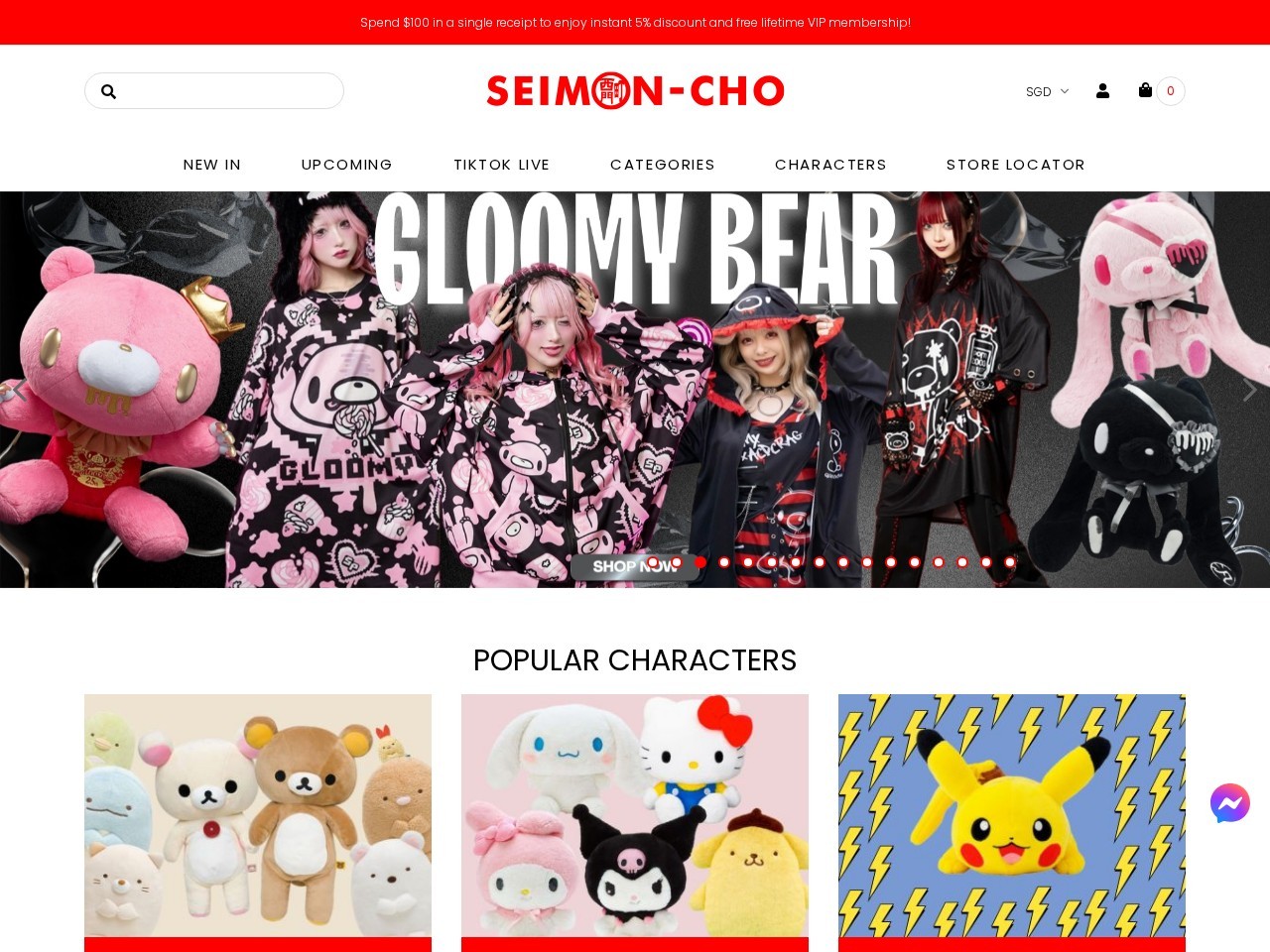
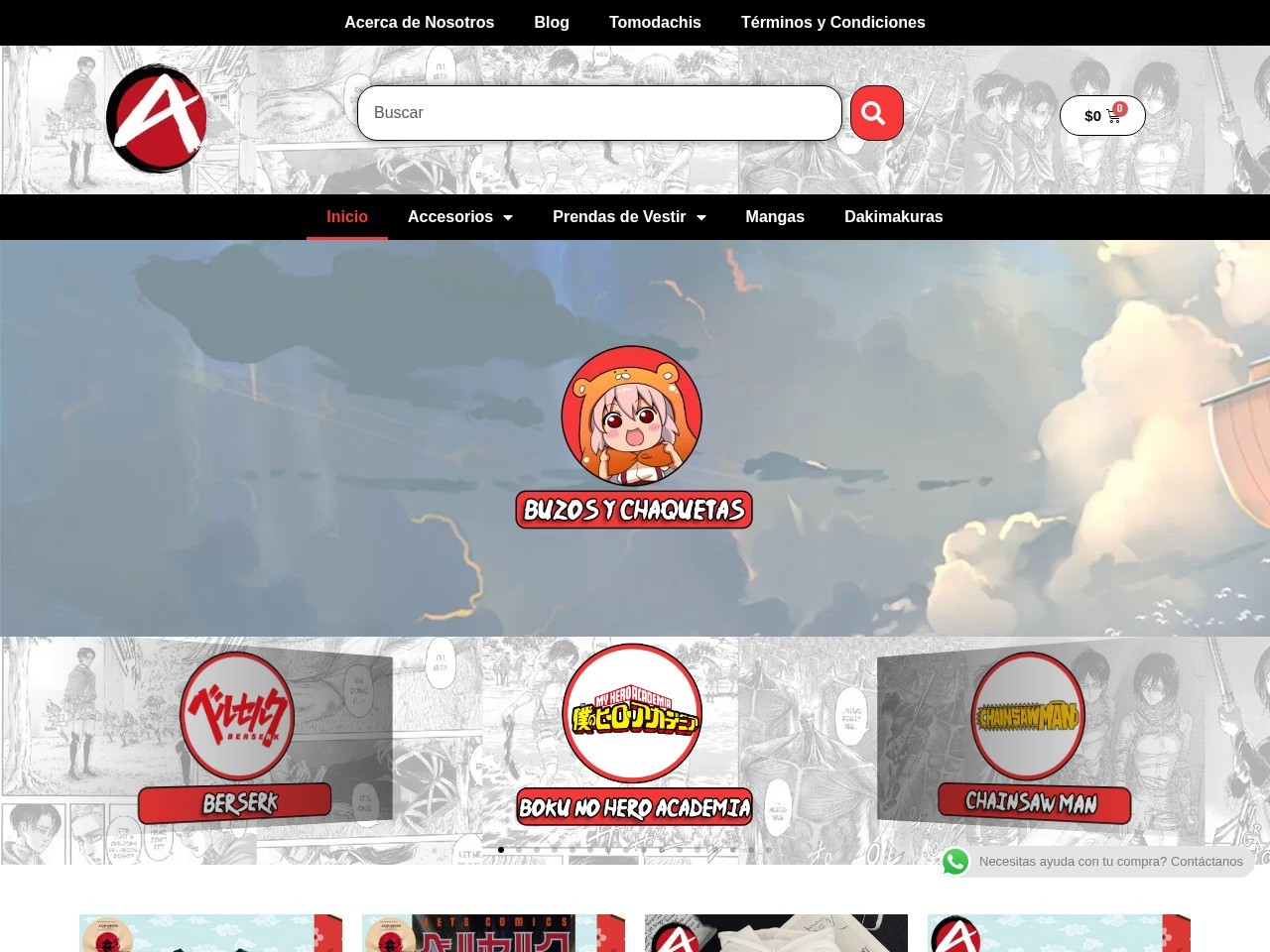
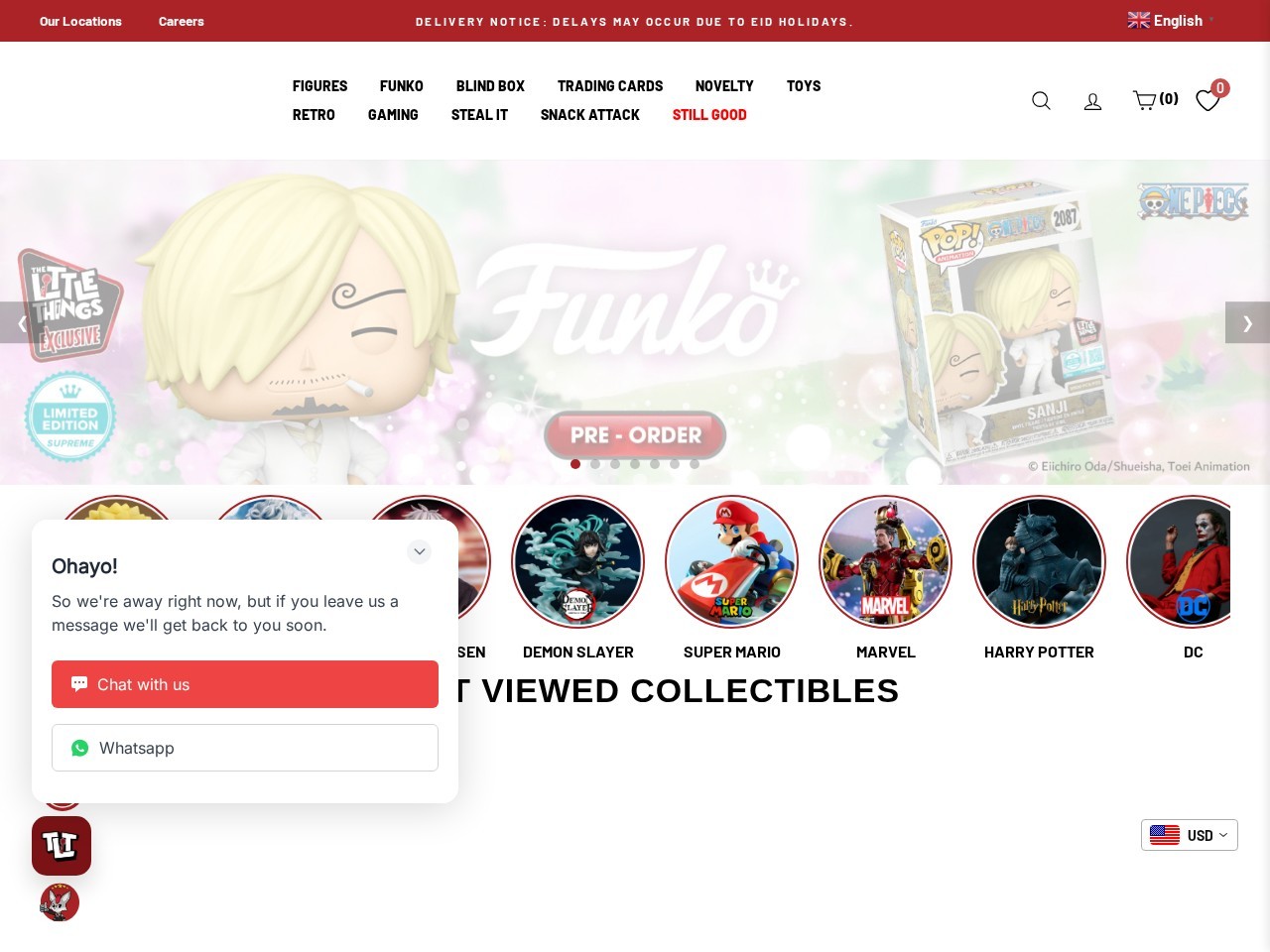
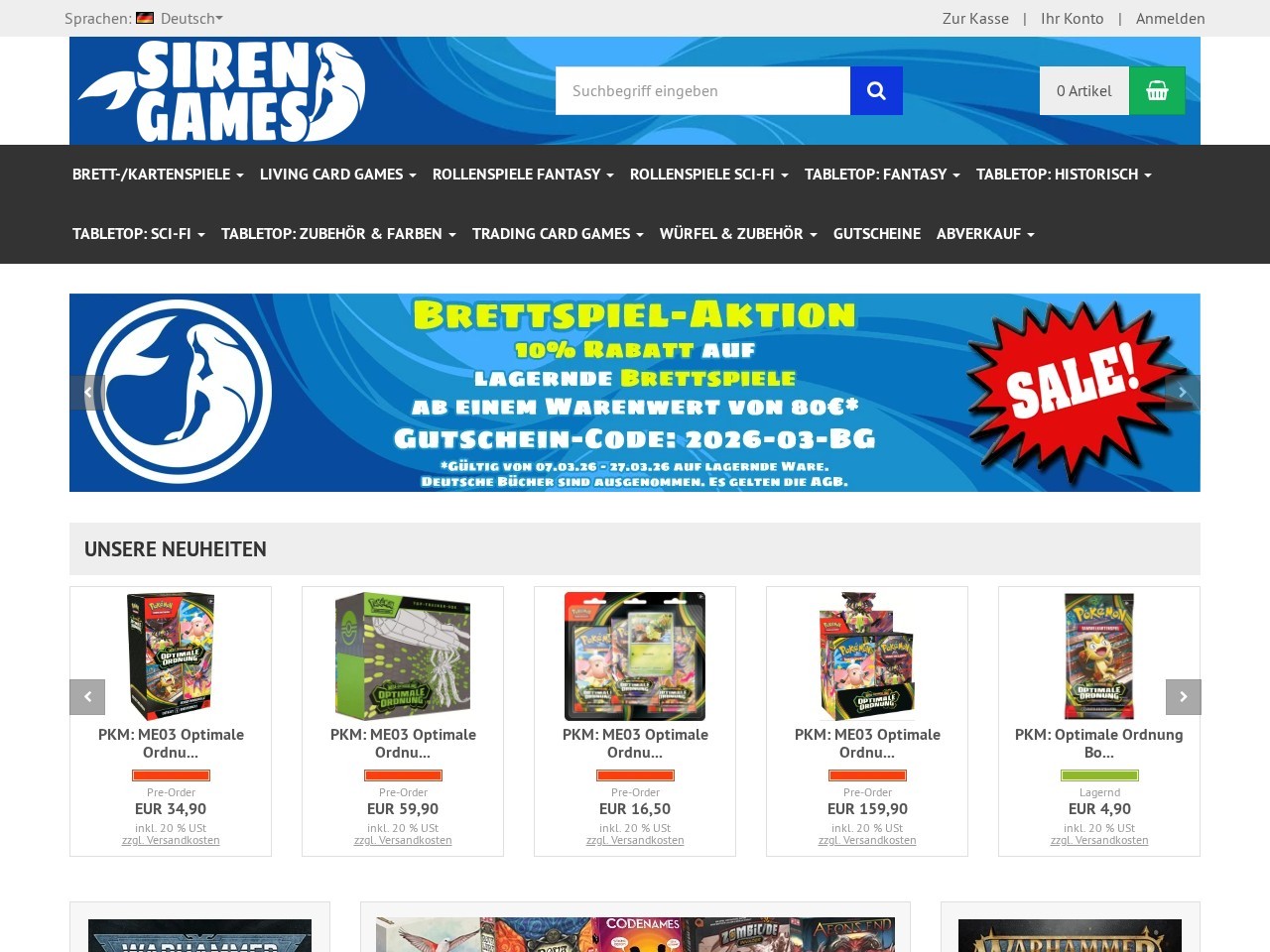
One thing I personally noticed is how many Western stores slowly started adopting parts of Japanese anime store culture.
You now see:
- larger manga sections
- anime figure displays
- dedicated collectible shelves
- imported snacks and merchandise
- hobby sections focused entirely on Japanese media
Some stores even try to recreate the feeling of browsing through a smaller version of an Akihabara style shop.
That influence became very visible over time.
Collecting Became Part of the Experience
Another thing that changed is how collecting itself became more important.
For a lot of fans, anime is no longer only about watching shows. Merchandise became part of how people express their interests.
Figures, manga, wall art, vinyl records, plushies, and other collectibles all became part of modern fandom culture.
From my perspective, Japanese anime store culture helped normalize that idea in the West.
Why Physical Anime Stores Still Matter
Even with online shopping dominating so much of retail, physical anime stores still have value.
There is something different about walking into a store filled with manga, figures, and gaming merchandise. It creates a specific atmosphere that online shopping cannot fully recreate.
I think that is part of why these stores continue growing. They feel more like hobby spaces than regular retail stores.
People browse, discover new series, and spend time there instead of simply buying products quickly and leaving.
Conventions Helped Push the Culture Further
Anime conventions also played a major role in expanding this culture.
A lot of people were introduced to anime merchandise through convention halls filled with vendors and collectibles. Over time, that convention style atmosphere started influencing permanent stores as well.
From what I have seen, conventions helped prove there was a huge audience interested in this kind of shopping experience.
The Influence Goes Beyond Anime
Interestingly, this influence spread beyond anime itself.
Gaming stores, collectible stores, and hobby shops also started adopting similar layouts and merchandising styles. You now see crossover between anime culture, gaming culture, cosplay, and collectible culture much more often.
The boundaries between these hobbies became smaller over time.
Why People Connect With It
I think a big reason people connect with anime store culture is because it feels passionate.
The stores are usually filled with products connected to specific series, characters, and fandoms. Even the way items are displayed often feels designed by people who genuinely understand the hobby.
That creates a completely different feeling compared to generic retail spaces.
Conclusion
Japanese anime store culture had a massive influence on how fandom and collectible spaces evolved in the West.
What started in places like Akihabara slowly spread worldwide through the internet, conventions, and the growing popularity of anime itself.
From my perspective, the interesting part is not just the products. It is how these stores changed the experience around hobbies and collecting.
They turned shopping into something more immersive, personal, and connected to fandom culture itself.